In the story I shared last week I wrote that my learning was making the decision to never again put my health, balance and self, second to my work or anything else in my life.
Now, even though I had that epiphany, it’s important to articulate making that change in my life wasn’t immediate. It took a lot of work, exploring root causes, unlearning patterns of behavior that had accumulated for years, missteps along the way, and some amazing mentors and supervisors who took the time to work with me.
Two in particular taught lessons that changed my life: “What does it look like to show up to work and do a great job without the pressure of it needing to be perfect?” and “work smarter, not harder.” In turn, I was able to start developing new behaviors that worked for me. As I did, I also learned the importance of being confident in those decisions, not comparing myself to others, and regardless of the way other people worked around me, maintained the commitment I made to myself.
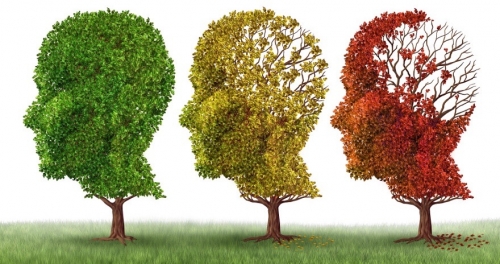
Years later as I started designing strengths-based programming, I came to realize that what I experienced throughout this relearning was firstly a Growth Mindset and followed by Neuroplasticity. A growth mindset is measured in part by the desire to learn and change. Neuroplasticity quite literally happens when our brains create new neural pathways, rewiring parts of itself to create new behaviors, patterns and thoughts. Put another way, if we see a growth mindset as learning to build a campfire with all the materials you need, neuroplasticity is the match that sets the campfire ablaze. For more on these topics, check out Dr. Carol Dweck’s TED Talk on growth mindset and one of Sentis’ animation series videos on neuroplasticity.
So, let’s talk takeaway. Last week I asked you to reflect on a time you experienced failure, the learning from your story and how you applied it going forward. This week I ask:
1. Thinking of the story you chose, what aspects of a growth mindset occurred?
2. With your growth mindset in action, what new behaviors did this lead to?
The combination of your answers to last and this week’s questions also give you the foundations of a really strong Interview Story and the answer to possible future job interview questions. This short video from Yale’s Office of Career Strategy provides more information on the concept of preparing your interview stories.
Coming Up Next on the #WhatsYourSparkBlog
June is Pride Month, a celebration of the beauty of the rainbow of identities in the LGBTQ2S+ community, a chance to remember and honor the advocacy, work and protests of our past, and the recognition that there’s still so much work to do. Starting next week, these Pride posts will celebrate just a small part of the tapestry of our community narrative.