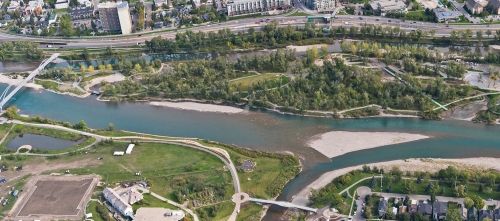
As I begin today’s post, I acknowledge I am a guest here on Treaty 7 lands in Moh’kins’tsis, the Blackfoot name for the City of Calgary. Whether you're in Alberta, elsewhere in Canada or the world, I want to acknowledge the Indigenous lands on which we each live, the importance of Decolonization, and the practice of circular learning, which speaks to our great potential to learn from each other’s stories and knowledge.
It’s in this spirit of learning I want to touch on the theme of Ways of Knowing.
Throughout my career, I have been fortunate to learn about the emphasis Indigenous peoples around the world, and in my own country and province place on community, cultural traditions, storytelling and land-based learning. One of my biggest areas of learning is that so many aspects of Indigenous culture are collectivist, instead of the very individualistic culture seen in much of the Western world. This focus on community is also true of many Eastern philosophies and cultures.
Why is this important? Within my work understanding that there are different yet equally valid and important ways of knowing is key, and something I strive to ensure is meaningfully present in my practice, and in the programs my colleagues and I design and facilitate. Building meaningful relationships with our Indigenous colleagues and communities, delivering land acknowledgements and articulating why doing so is important to us, and ensuring we have an authentic representation of Indigenous peoples, perspectives and stories on committees and panels are just three examples.
Going Deeper. For me personally, I unlearned what I thought I knew, and relearned the reality of the significant challenges Indigenous communities still face. This included learning Canada’s shameful past in its treatment of Indigenous peoples, the horrific legacy of residential schools, the sixties scoop and the resulting intergenerational trauma, how many of our societal systems and processes are still routed in colonialism, and as Canadians, our collective responsibility to decolonize these systems.
What can you do? As you begin or continue your own unlearning/relearning in this area, here are five suggestions:
1. Take the time to read about the history of Indigenous peoples where you live, including the systems I reference above and read/listen to the narratives of survivors of residential schools;
2. Read about the Calls to Action of the Truth and Reconciliation Commission of Canada;
3. Read Marie Battiste’s Decolonizing Education: Nourishing The Learning Spirit;
4. Post-pandemic when it’s safe, consider engaging your team in the Kairos Blanket Exercise; and
5. Post-pandemic when it’s safe, attend a Pow-wow.
Today, I also leave you with a talk from my good friend Keeta Gladue, who spoke recently on the themes of storytelling and decolonizing Disney princesses at TEDxYYC.